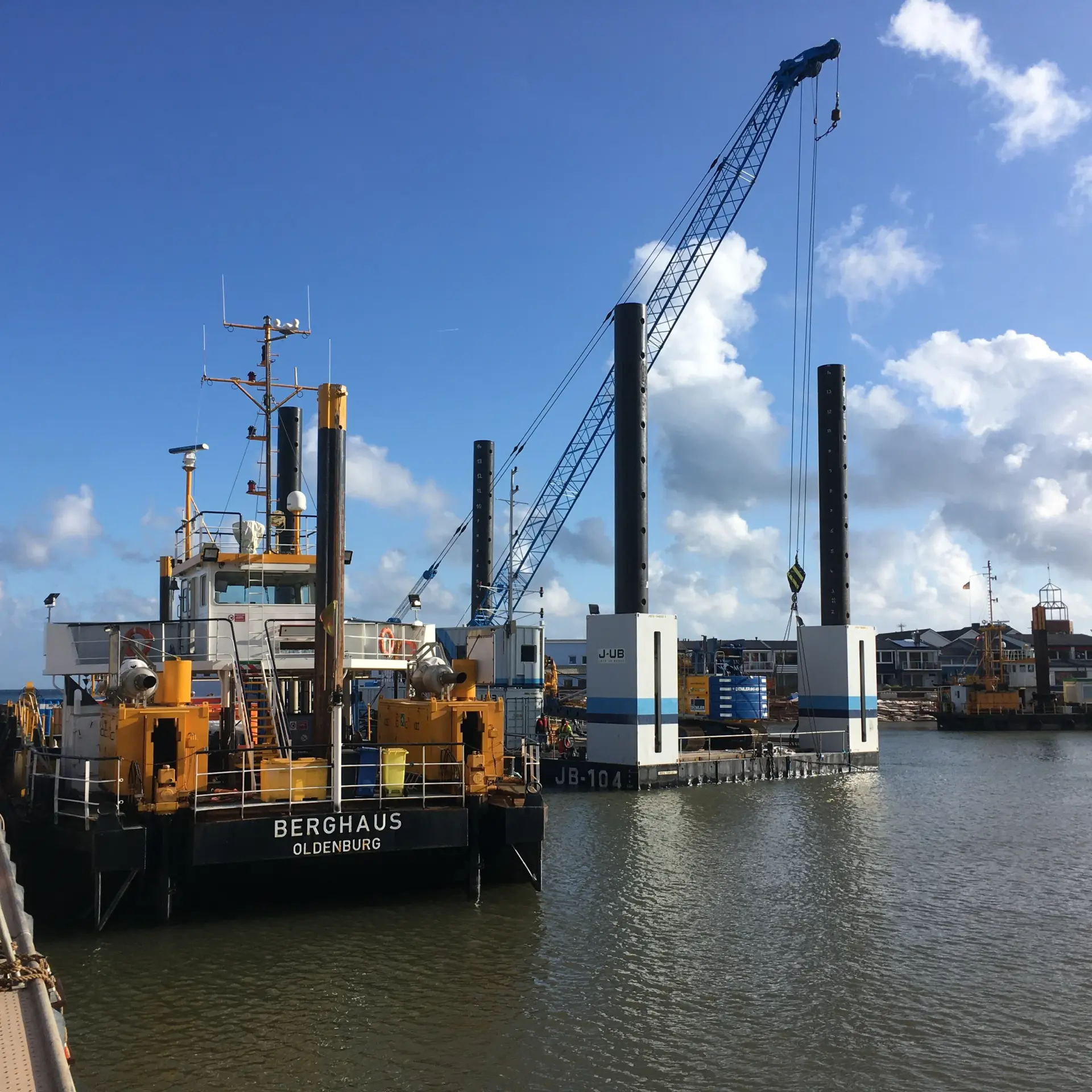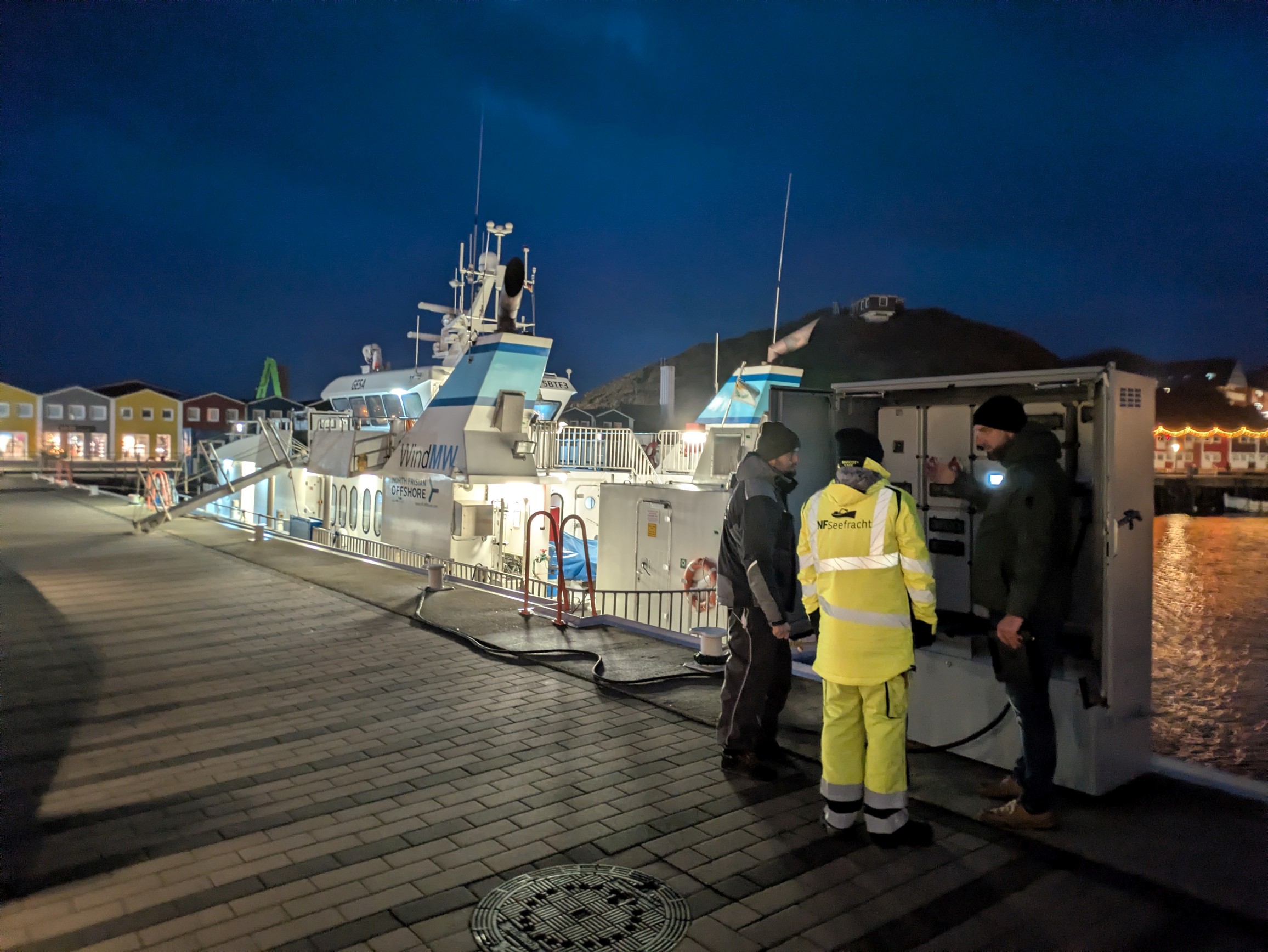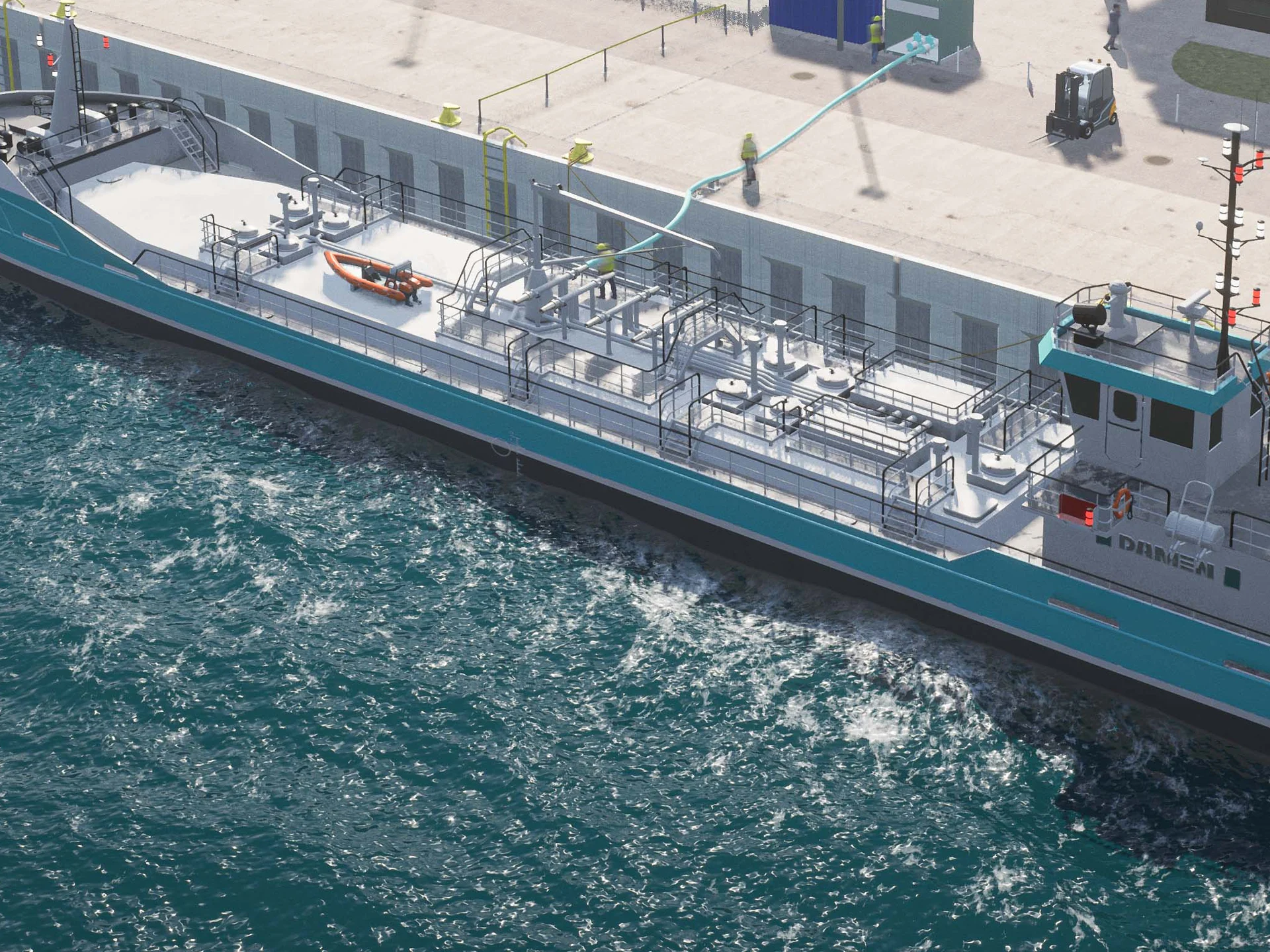

Heligoland’s harbors are central infrastructure for supply, research and tourism. To ensure that ships can dock reliably, water depths must be permanently secured. This is precisely where water depth maintenance comes in: The aim is to continuously monitor the usability of the port facilities and to plan any necessary dredging measures in advance. The client is the municipality of Helgoland, represented by Hafenprojektgesellschaft Helgoland.
TePm organizes systematic monitoring of the water areas. Regular soundings show whether sediments are being deposited or storm events are causing changes. On this basis, we decide together with the port project company when maintenance dredging is required and prepare the corresponding contracts and construction work. The measures are then managed and monitored like a classic construction project.
The framework conditions are complex. Approval procedures, explosive ordnance risks and environmental requirements vary considerably depending on the measure. While maintenance dredging can be carried out relatively easily, initial deepening requires extensive investigations, approvals and sediment analyses. In addition, contaminated material often has to be transported to the mainland and disposed of there – a considerable cost factor.
Systematic water depth maintenance ensures that the port infrastructure remains functional in the long term. Deepened approaches and berths enable seagoing vessels, research vessels and supply ships to dock reliably, even in stronger tidal ranges. The project thus makes an important contribution to the economic stability and tourist accessibility of the island.