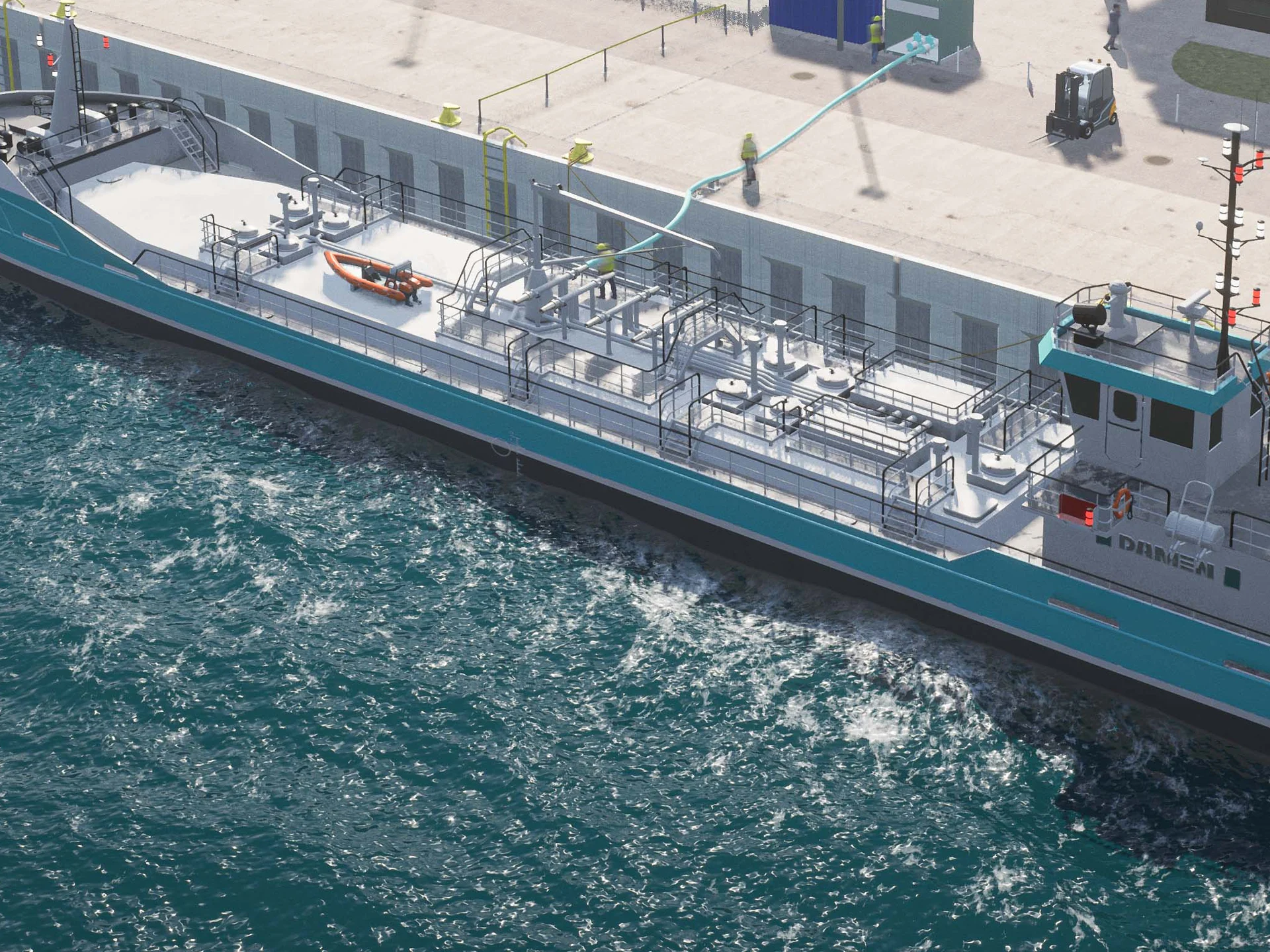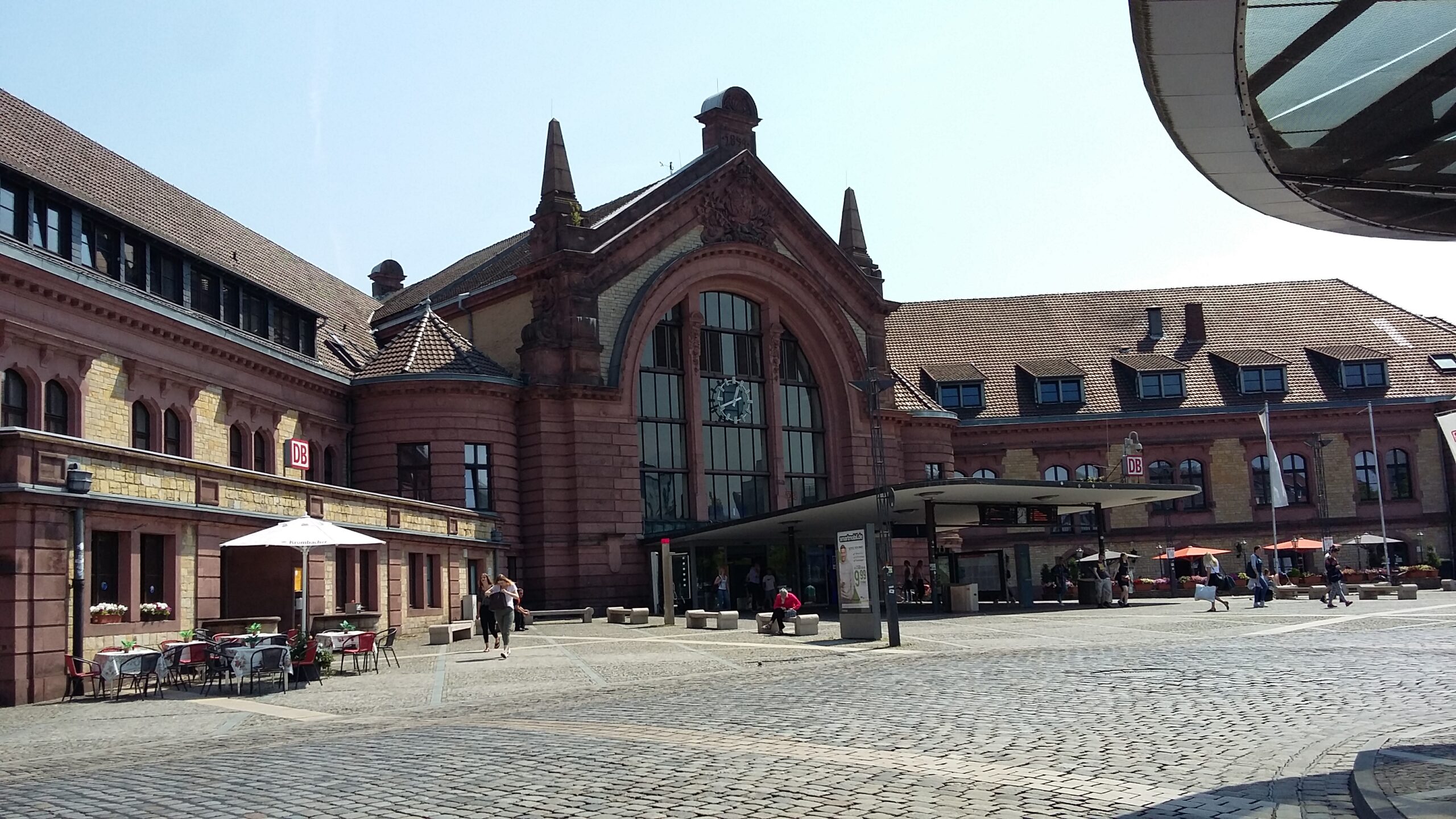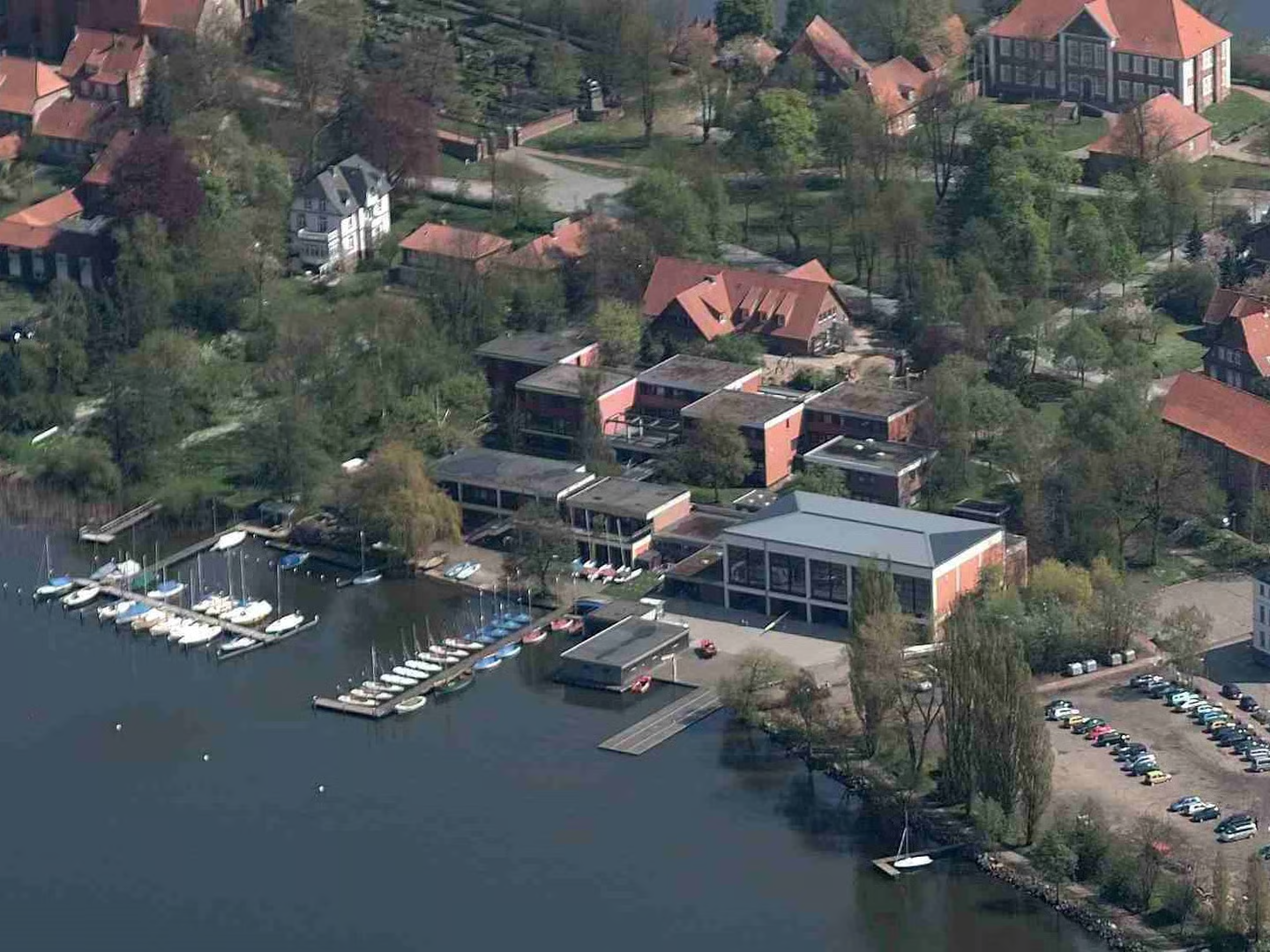

TransHyDE began in April 2021 as one of the hydrogen flagship projects of the Federal Ministry of Education and Research (BMBF). The aim of the research program was to investigate central questions of future hydrogen transport. In a large consortium of industrial companies, research institutions and associations, various technologies were analyzed with which hydrogen can be stored, transported and made usable in the future. For Heligoland, the main question was whether hydrogen could play a role in the island’s energy supply in the future.
TePm took on a central coordination role within the project. As the link between research partners, industrial companies and public stakeholders, we structured the cooperation of an extensive project consortium. Together with partners such as E.ON, HHLA, Fraunhofer IFAM and Hydrogenious, we developed the content and organization of the project. As early as the funding application stage, we coordinated the contributions of numerous project partners and merged them into a joint application. During the course of the project, we organized the project structure, supported the collaboration between the partners and were responsible for presentations and the moderation of central coordination within the consortium.
One focus of the investigations was on so-called LOHC technologies (Liquid Organic Hydrogen Carrier). Hydrogen is chemically bound to liquid carriers, making it easier to transport and store. For us, the project also meant an intensive technical learning phase. Together with the participating research institutions and industrial partners, we have delved deep into new technologies, logistics chains and infrastructural requirements of the hydrogen economy.
In addition to the technical results, a resilient network of partners from research, industry and the public sector was created. By continuously moderating and presenting the results of our work, we were able to bring together different perspectives and strengthen the exchange between the stakeholders. Even if the investigated technology was not directly implemented, TransHyDE laid important foundations and facilitated new collaborations for future hydrogen projects.